







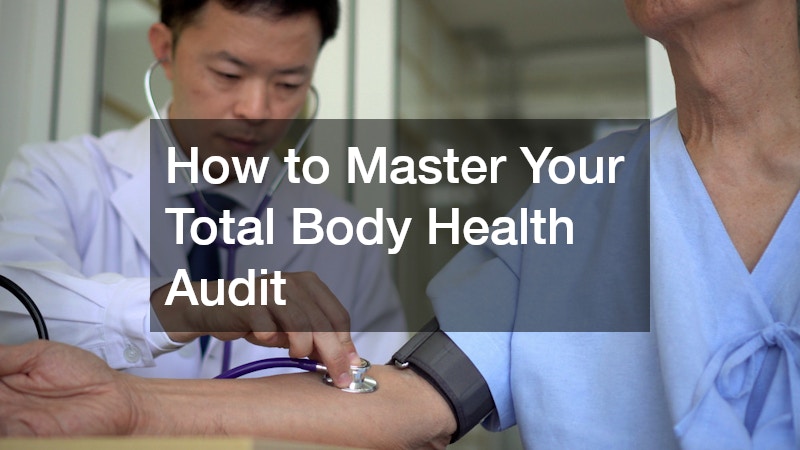
Maintaining peak physical condition is not an accidental achievement. For the modern man, it is the result of a deliberate, data-driven approach to personal wellness. Most men treat their bodies like a vehicle that only goes to the shop when the engine starts smoking, but true vitality requires a proactive audit. This comprehensive process involves assessing every system—from the structural foundation of your bones to the chemical messengers in your blood—to identify inefficiencies before they become liabilities.
A total body audit is about more than just avoiding illness; it is about optimizing performance. Whether you are leading a boardroom, raising a family, or training for a triathlon, your body is the vessel through which all your ambitions are realized. By systematically reviewing your health markers, you can reclaim lost energy, sharpen your focus, and ensure that your physical capacity matches your mental drive.
Audit Your Structural Integrity and Alignment

Your musculoskeletal system is the framework that supports every movement you make. Over time, sedentary office work, repetitive athletic motions, and the simple force of gravity can cause this framework to shift. An audit begins with a “top-to-bottom” look at your posture and joint health, as many men ignore the “creaks” in their movement until they manifest as debilitating pain.
If you find that you are waking up with a stiff neck or experiencing persistent lower back discomfort that radiates through your hips, it is time to seek a professional assessment. Visiting a chiropractic clinic allows you to address spinal subluxations that might be interfering with your nervous system and overall mobility. These adjustments help restore the natural curvature of the spine and can alleviate the tension that leads to chronic tension headaches and reduced range of motion during your workouts.
Beyond the spine, you must evaluate how your muscles work in tandem to support your weight. Many men suffer from “gluteal amnesia” or tight hip flexors due to prolonged sitting at a desk, which eventually leads to knee or ankle issues because the body tries to compensate for the lack of stability. Engaging in physical therapy provides you with a customized roadmap to correct these functional imbalances. A therapist can guide you through corrective exercises that strengthen stabilizing muscles, ensuring that your larger muscle groups aren’t overcompensating and leading to a sudden blowout during a weekend game or a heavy lift.
Furthermore, consider your gait and foot health as the foundation of this structural audit. Issues in the feet often travel upward, causing unexplained pain in the lower back or neck. By assessing your stride and shoe wear patterns, you can determine if you need orthotics or specific strengthening drills to maintain a solid base.
Actionable Steps for Structural Health:
- Perform a “wall test” daily to check for rounded shoulders and forward head posture by standing with your back against a flat surface.
- Incorporate dynamic stretching into your morning routine to maintain joint lubrication and elasticity in the fascia.
- Evaluate your workstation ergonomics, ensuring your monitor is at eye level, and your chair supports the natural lumbar curve of your lower back.
- Track your step count to ensure you aren’t remaining static for more than sixty minutes at a time, which causes muscle shortening.
- Practice “foundation training” exercises to strengthen the posterior chain, which is often the weakest link in the modern male physique.
Optimize Your Internal Chemistry and Energy Production
Once the external frame is addressed, the audit must move inward to the cellular level. Your internal chemistry—the vitamins, minerals, and hormones circulating through your system—acts as the fuel and software for your daily operations. Even a slight deficiency in a single area can lead to a massive drop in productivity, mood, and physical stamina.
Many men experience a mid-afternoon slump that they attribute to age or a heavy lunch, but it is often a sign of nutrient malabsorption or a deficiency in key micronutrients. If your energy levels are consistently low despite adequate sleep and a clean diet, you might benefit from B12 injections to support your red blood cell production and nerve function. This method of delivery is often superior to oral supplements because it ensures the vitamin enters the bloodstream directly, bypassing the complexities of the digestive tract and providing a noticeable lift in mental clarity.
The most significant chemical factor for men as they age is the gradual, often invisible decline of testosterone and other anabolic signals. When you feel a loss of competitive drive, increased body fat around the midsection, or a decrease in bone density, it is worth investigating hormone replacement options with a qualified medical specialist. Balancing these levels is not about vanity or “anti-aging” in a superficial sense; it is about maintaining the biological markers of a healthy, functioning male body and protecting against long-term cardiovascular issues.
Signs Your Chemistry Needs an Audit:
- Unexplained irritability, sudden shifts in mood, or a lack of resilience in high-stress situations.
- Difficulty concentrating on complex tasks for extended periods or a feeling of “brain fog.”
- Slow recovery times after standard workouts or physical labor that used to feel effortless.
- Increased sensitivity to cold or changes in skin and hair texture that suggest metabolic slowing.
- A noticeable drop in morning erections or overall libido, which are key indicators of vascular and hormonal health.
Evaluate Your Sensory Inputs and Environmental Awareness
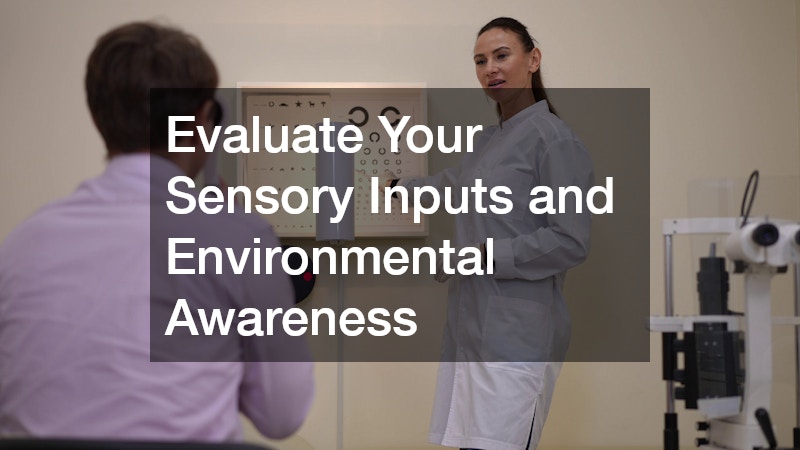
The third pillar of a health audit is the sensory system, which acts as the interface between your internal world and the external environment. Your ears and eyes are the primary conduits through which you receive information, and you need an ear, nose, and throat doctor. If these systems are degraded, your brain has to work significantly harder to interpret the world, leading to a phenomenon known as cognitive load that saps your daily energy.
Hearing loss in men is often a gradual, insidious process that goes unnoticed until it begins to strain personal and professional relationships. To prevent this, schedule a baseline appointment at a reputable audiology office to measure your response to various frequencies and decibel levels. Knowing your starting point allows you to track changes over the years and intervene with protective measures before the loss becomes severe enough to cause social isolation.
If your audit reveals that you are missing out on parts of conversations in crowded rooms or struggling to hear high-pitched sounds, do not let pride stand in the way of your professional performance. Visiting a local hearing aid center can introduce you to modern technology that does far more than just amplify sound; these devices can now filter background noise and even stream audio directly from your devices, keeping you at the center of the action without anyone knowing you are wearing them.
In addition to hearing, consider the health of your vestibular system—the mechanism in your inner ear responsible for balance. As men age, a decline in balance is a leading cause of injury. Incorporating balance drills into your sensory audit can help you maintain the agility and coordination necessary for an active lifestyle.
Tips for Sensory Preservation:
- Use high-quality ear protection when using power tools, attending concerts, or spending time at the shooting range.
- Follow the “60/60 rule” for headphones: listen at no more than 60 percent volume for no more than 60 minutes at a time.
- Practice “ear rest” by spending at least thirty minutes a day in total silence to allow the auditory nerve to recover.
- Be aware of “ototoxic” medications, including some common over-the-counter painkillers, that can damage hearing as a side effect.
- Test your balance weekly by standing on one leg for 30 seconds with your eyes closed to monitor neurological and inner-ear health.
Assess Visual Performance and Eye Health
Vision is perhaps the most taxed sense in the modern world. With the average man spending hours looking at high-intensity screens for work and leisure, the eyes are under constant stress that the human body did not evolve to handle. A visual audit identifies both the health of the organ and the accuracy of your sight to prevent chronic strain.
It is a common mistake to assume that clear vision—the ability to see 20/20—equals healthy eyes. You should regularly consult a licensed optometrist who can look beyond your prescription to check for signs of internal ocular pressure and retinal health. These specialized exams can often detect early indicators of systemic issues like diabetes or high blood pressure long before they show up in a standard physical or blood test.
During these annual eye exams, make sure to discuss your digital habits and light exposure with the doctor. They can provide specific recommendations for computer lenses, specialized coatings, or treatments for dry eye syndrome, which is frequently caused by a reduced blink rate during intense screen use. Keeping your eyes lubricated and properly focused reduces the specific type of fatigue that often sets in by the late afternoon, which many men mistake for a lack of willpower.
An often-overlooked part of the visual audit is night vision and light sensitivity. If you find that driving at night has become more difficult due to glare, it may be a sign of early lens changes or a need for a prescription adjustment that accounts for pupil dilation in low light.
Visual Maintenance Habits:
- Implement the 20-20-20 rule: every 20 minutes of screen time, look at something 20 feet away for at least 20 seconds.
- Ensure your room lighting is balanced to reduce glare and “flicker strain” on your digital devices.
- Increase your intake of omega-3 fatty acids, zinc, and lutein through whole foods to support long-term retinal health.
- Wear polarized sunglasses whenever you are outdoors to protect against UV damage and the development of cataracts.
- Check your monitor distance; it should ideally be about an arm’s length away from your face to minimize accommodative stress.
Refine Your Vision Hardware and Respiratory Health

The final stage of the audit is optimizing the tools and secondary systems that support your primary senses and recovery. This involves the physical gear you wear every day, and the “gatekeeper” systems like your sinuses and throat that impact your sleep quality and overall oxygen intake.
Your eyewear should be viewed as a piece of performance equipment, not just a fashion accessory. When selecting new glasses frames, prioritize materials that are lightweight and durable, such as titanium or high-grade acetate, to ensure they remain comfortable and stay in place throughout a sixteen-hour day. The right fit prevents chronic pressure points on the nose and ears that can lead to distracting discomfort and even tension in the jaw.
Lastly, do not overlook the importance of clear breathing and throat health in your audit. If you struggle with snoring, daytime sleepiness, or chronic congestion, consulting an ear, nose, and throat doctor can help you identify structural issues like a deviated septum or sleep apnea. Correcting these obstructions ensures that your brain receives maximum oxygen during the deep stages of sleep, which is the ultimate foundation for all physical and mental recovery and testosterone production.
The relationship between breathing and performance is absolute. If your nasal passages are chronically inflamed, you are likely breathing through your mouth, which bypasses the natural filtration and humidification system of the body and can lead to a “fight or flight” nervous system response. A respiratory audit ensures your “engine” is getting the clean air it needs to burn fuel efficiently.
The Final Audit Checklist

- Check the fit and alignment of your current eyewear for any slipping, pinching, or crookedness that could affect focus.
- Monitor your sleep quality using a wearable device to check for oxygen dips or frequent disturbances that indicate breathing issues.
- Practice nasal breathing exclusively during low-intensity exercise to improve your carbon dioxide tolerance and lung efficiency.
- Flush your sinuses with a distilled saline solution if you live in a high-pollen area or a city with poor air quality.
- Inspect your throat and tonsils for signs of chronic inflammation, which can be a hidden driver of systemic fatigue.
Mastering your total body health audit is a continuous journey rather than a single destination. By taking the time to consult with specialists and listen to the subtle cues your body provides, you move from a state of passive existence to one of active mastery. This process empowers you to make informed decisions about your lifestyle, ensuring that you remain a formidable presence in every aspect of your life. When you treat your health as your most valuable investment, the dividends are paid in longevity, clarity, and unshakeable confidence. Taking the lead on your health today ensures that your future self has the strength and vitality to meet whatever challenges lie ahead.